• Top Democrats on the House and Senate intelligence committees warned acting spy chief Bill Pulte on Monday not to use his temporary post to make major changes at the Office of the Director of National Intelligence, citing concerns that he could pursue sweeping personnel cuts or politically motivated declassification decisions before a Senate-confirmed director is in place.

    In a June 22 letter to Pulte, Rep. Jim Himes, D-Conn., the ranking member of the House Intelligence Committee, and Sen. Mark Warner, D-Va., the vice chairman of the Senate Intelligence Committee, said Pulte should not take actions “more appropriately left to a Senate-confirmed Director” and reminded him of his legal obligation to preserve records related to any actions he takes in the role.

    The warning comes days after Pulte, who lacks intelligence experience, began serving as acting director of national intelligence after the cancellation of a Senate hearing for Jay Clayton, Trump’s nominee to permanently lead the intelligence community. The delay ensured Pulte would assume the acting role, prolonging a fight that has already complicated bipartisan efforts to renew Section 702 of the Foreign Intelligence Surveillance Act, a powerful foreign spying authority that lapsed earlier this month.

    Democrats have warned that Pulte's role in the administration's mortgage-fraud reviews last year could foreshadow the use of intelligence tools to pursue the president’s political opponents. 

    In Monday’s letter, Himes and Warner sharpened that concern, saying Pulte’s record as director of the Federal Housing Finance Agency showed “a willingness to misuse your position, including your access to sensitive information,” to pursue Trump’s perceived political enemies.

    The lawmakers said they expect Pulte to not declassify information in a way that would compromise intelligence sources and methods or “weaponize the declassification process for partisan political purposes.” They also said any declassification effort should follow established policies and include input from career intelligence officials on the national security risks of releasing classified material.

    The letter also directly addresses multiple reports that Pulte could soon fire or place on leave hundreds of ODNI employees. Himes and Warner said they were concerned by those reports, noting that ODNI already shrank this year.

    Pulte could serve in the acting role through August, The New York Times reported Monday, citing an administration official. 

    “Given your lack of experience within the Intelligence Community, it is difficult to imagine that in such a short amount of time you have already developed fully-informed views as to how to shrink ODNI without incurring risks to national security,” they wrote.

    A spokesperson for ODNI didn’t immediately return a request for comment. 

    The office was created after the Sept. 11 terrorist attacks to improve coordination across the intelligence community. Trump has said he wants Pulte to further downsize the office and continue election-related investigations launched under former DNI Tulsi Gabbard.

    Himes and Warner said Pulte should refrain from making significant structural changes to ODNI, including any reduction in force, while serving in an acting capacity and without consulting Congress.

    The lawmakers also said Pulte and ODNI employees must preserve records related to declassification, publication or release of classified materials, as well as personnel actions. They said that obligation extends to electronic messages sent through official or personal accounts, text messages, phone-based messaging apps and encrypted software.

    They requested that Pulte soon acknowledge the letter and confirm his “full and immediate compliance” with legal records-preservation requirements.

    ]]>
    ¶¶¶¶¶

    ¶¶¶¶¶

    ¶¶¶¶¶

    ¶¶¶¶¶

    ¶¶¶¶¶

  • Multiple WordPress plugins from ShapedPlugin were compromised in a supply chain attack after unknown threat actors managed to tamper with the official release channels and push backdoor code. “Attackers compromised the vendor’s build and distribution pipeline, injecting backdoor code into Pro plugin releases distributed through official licensed update channels,” Wordfence said in an analysis

    ¶¶¶¶¶

    ¶¶¶¶¶

    ¶¶¶¶¶

    ¶¶¶¶¶

    ¶¶¶¶¶

  • Apple has released a security update to patch a Beats Studio Buds flaw that let nearby hackers listen to conversations through the microphone.

    ¶¶¶¶¶

    ¶¶¶¶¶

    ¶¶¶¶¶

    ¶¶¶¶¶

    ¶¶¶¶¶

  • Cybersecurity researchers have disclosed details of four vulnerabilities in Dify, an open-source agentic workflow platform with more than 146,000 GitHub stars, that could allow attackers to stealthily read artificial intelligence (AI) conversions from other customers’ applications without requiring authentication. The vulnerabilities have been collectively codenamed DifyTap by Zafran Security.

    ¶¶¶¶¶

    ¶¶¶¶¶

    ¶¶¶¶¶

    ¶¶¶¶¶

    ¶¶¶¶¶

  • Around 3 million Texas licence holders face a data breach after hackers targeted a third-party vendor, exposing driver’s licences and passport numbers.

    ¶¶¶¶¶

    ¶¶¶¶¶

    ¶¶¶¶¶

    ¶¶¶¶¶

    ¶¶¶¶¶

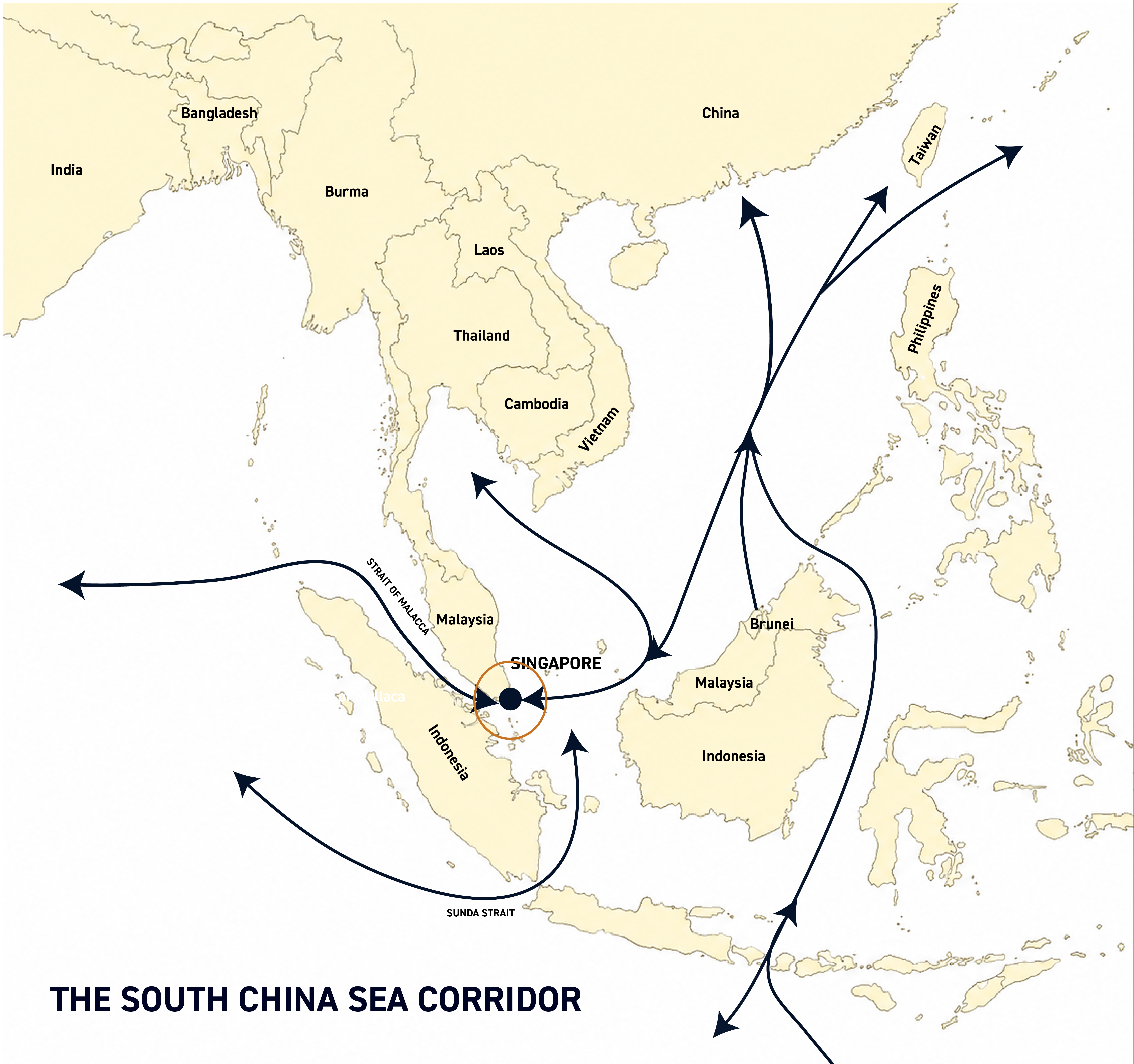
  • Recent turbulence in the Middle East has already led Singapore’s energy authorities to warn that prolonged fuel disruptions could affect domestic fuel availability. Washington should read that as more than a local energy story. If a distant crisis can stress Singapore’s system, a high-end Indo-Pacific conflict would do far more. In that scenario, Singapore is not just another exposed small state. It is the Indo-Pacific’s fuel canary.
    That is because Singapore combines vulnerability with centrality. It depends on imports for almost all of its energy needs, and about 95 percent of its power generation still runs on natural gas. Yet it is also the world’s largest bunkering port, sold a record 56.77 million tonnes of marine fuel in 2025, and remains a major refining center with about 1.3 million barrels per day of crude refining capacity. If fuel stress shows up first in Singapore, it will not stay in Singapore.

    The geography makes the problem worse. The South China Sea is one of the world’s critical energy corridors. In 2023, about 10 billion barrels of petroleum and petroleum products and 6.7 trillion cubic feet of LNG transited those waters. Singapore sits at the hinge between that system and the Strait of Malacca. That is why it should be treated as a strategic barometer: tighter bunker availability, delayed LNG arrivals, or sharper price spikes there would be early signs that the region’s commercial energy architecture, and therefore allied military sustainment, is already under pressure.
    This is also a U.S. national security issue in the most direct sense. Singapore’s 1990 memorandum with Washington, renewed in 2019, facilitates U.S. access to Singapore’s air and naval bases and provides logistics support for transiting American personnel, aircraft, and vessels. Singapore has supported rotations of U.S. Littoral Combat Ships and P-8 aircraft, and NAVSEA’s Singapore detachment now supports maintenance and repairs for U.S. Navy ships across the 7th Fleet area outside Japan. Singapore is not adjacent to U.S. posture in Asia. It is woven into it.
    What makes Singapore especially useful as a canary is that it has already done more than most to hedge against disruption. The Singapore LNG terminal says it could meet all of the country’s current power-generation needs if required. The Energy Market Authority requires generators to maintain fuel and diesel reserves, has established a Standby LNG Facility, and in 2025 set up Singapore GasCo to centralize procurement, diversify supply, and secure longer-term contracts. Singapore also aims to import around 6 gigawatts of low-carbon electricity by 2035, about one-third of its energy needs, even as natural gas remains a key fuel source as other options scale. In other words, if even Singapore starts straining, Washington should assume the broader system is in worse shape than the headlines suggest.
    That is the wider Indo-Pacific problem in miniature: decarbonization is growing, but hydrocarbons will still underpin military mobility, commercial shipping, and grid resilience in any plausible near-term contingency.
    What Washington Should Do
    First, the United States should treat Singapore-centered fuel stress as warning-and-indications data, not commercial background noise. USINDOPACOM should watch bunker volumes, LNG cargoes, freight and insurance costs, storage drawdowns, repair backlogs, and emergency switching from gas to diesel as leading indicators of theater-wide strain.
    Second, Washington should build a more distributed Indo-Pacific fuel architecture. That means pre-arranged storage, refining access, US-flagged tanker lift, and emergency fuel-sharing arrangements across a wider network of allies and commercial partners, so that a shock to Singapore does not become a shock to the campaign.
    Third, the United States should treat commercial energy infrastructure as defense infrastructure. Joint planning with Singapore should increasingly cover port recovery, cyber resilience for fuel systems, LNG continuity, and civilian-military coordination for maritime logistics under stress. That would be a far better use of peacetime cooperation than assuming the market will sort it out in crisis.
    Finally, Washington should support diversification, not just endurance. It should use peacetime policy to reduce wartime hydrocarbon vulnerability through more resilient contracting, broader fuel options, better US-flagged shipping access, and stronger allied energy coordination before a crisis erupts.
    The point is not that Singapore is weak. It is that Singapore is revealing. A state that imports almost all of its energy, runs overwhelmingly on gas, anchors the world’s largest bunkering port, and quietly helps sustain U.S. military presence is one of the clearest indicators of how brittle Indo-Pacific fuel dependence could become in a high-end conflict. Washington should watch Singapore now, not after the warning light turns red.
    ]]>

    ¶¶¶¶¶

    ¶¶¶¶¶

    ¶¶¶¶¶

    ¶¶¶¶¶

    ¶¶¶¶¶

  • A heap over-read in the Squid web proxy can leak another user’s cleartext HTTP request, including any credentials or session tokens it carries, to anyone already allowed to send traffic through the same proxy. The bug traces to a 1997 FTP-parsing change and is still live in Squid’s default configuration. Researchers at Calif.io disclosed it in June and named it Squidbleed (

    ¶¶¶¶¶

    ¶¶¶¶¶

    ¶¶¶¶¶

    ¶¶¶¶¶

    ¶¶¶¶¶

  • Disclosure: This article was provided by ANY.RUN. The information and analysis presented are based on their research and findings.

    ¶¶¶¶¶

    ¶¶¶¶¶

    ¶¶¶¶¶

    ¶¶¶¶¶

    ¶¶¶¶¶

  • Cybersecurity researchers have disclosed details of a new campaign that delivers CastleStealer by means of a previously unreported malware loader dubbed OXLOADER. According to Elastic Security Labs, the campaign leverages malicious Google Ads as a starting point to distribute the malware. Evidence indicates that the threat actor is likely Russian-speaking and financially motivated, owing to the

    ¶¶¶¶¶

    ¶¶¶¶¶

    ¶¶¶¶¶

    ¶¶¶¶¶

    ¶¶¶¶¶

  • A supply-chain weakness in ClawHub’s plugin registry that allowed third-party packages to squat under organizational scopes and inherit first‑party credibility. In a catalog review Manifold found 23 code‑executing plugins published under the @openclaw/ and @clawhub/ scopes by accounts that have no verified relationship to either organization. Because ClawHub’s registry did not consistently enforce its documented […]

    The post ClawHub Scope Squatting Lets Plugins Masquerade as Official OpenClaw Integrations appeared first on GBHackers Security | #1 Globally Trusted Cyber Security News Platform.

    ¶¶¶¶¶

    ¶¶¶¶¶

    ¶¶¶¶¶

    ¶¶¶¶¶

    ¶¶¶¶¶