• Hackers are deploying a malicious browser extension disguised as Google Chrome to steal credentials, hijack authenticated sessions, and capture webcam footage. The discovery adds a browser surveillance component to ongoing voice phishing campaigns involving Com-affiliated criminals. These operations target organizations holding sensitive financial, healthcare and legal information, primarily in the United States, United Kingdom and […]

    The post Hackers Use Fake Chrome Extension to Steal Login Credentials and Spy Through Webcams appeared first on GBHackers Security | #1 Globally Trusted Cyber Security News Platform.

    ¶¶¶¶¶

    ¶¶¶¶¶

    ¶¶¶¶¶

    ¶¶¶¶¶

    ¶¶¶¶¶

  • OpenAI and Cisco launched Shirudo, an open-source security runtime designed to prevent exploit attempts on running Linux systems without restarting protected services. In a controlled demonstration, a safeguard created using OpenAI’s Codex successfully blocked a Java4Shell exploit attempt against Elasticsearch while the service remained operational. This project aims to address the gap between identifying a […]

    The post OpenAI and Cisco Introduce Shirudo to Block Exploits on Running Linux Systems appeared first on GBHackers Security | #1 Globally Trusted Cyber Security News Platform.

    ¶¶¶¶¶

    ¶¶¶¶¶

    ¶¶¶¶¶

    ¶¶¶¶¶

    ¶¶¶¶¶

  • AI’s future in cybersecurity is an integrated SOC

    – Aimei Wei, Founder, CTO at Stellar Cyber

    San Jose, Calif. – Nov. 23, 2026

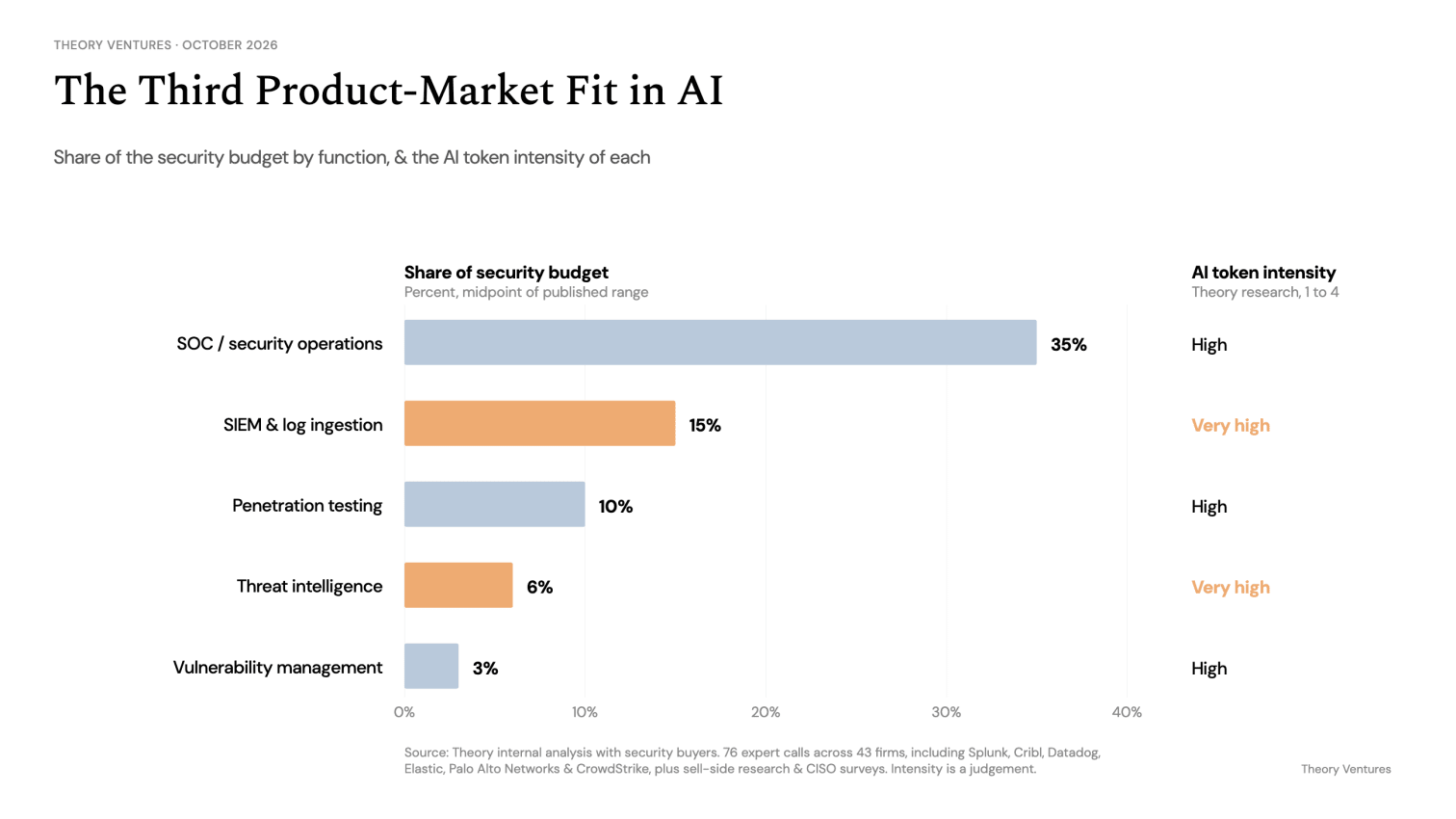
    Tomasz Tunguz recently argued that cybersecurity may become AI’s third major product-market fit, after coding and customer support. He’s not wrong, but his data points to something even more important for security teams: AI is arriving across parts of security operations that have traditionally been treated as separate disciplines.

    Tunguz’s analysis shows security spending across the SOC, SIEM and log ingestion, penetration testing, threat intelligence, and vulnerability management, alongside the AI token intensity of each. His point is about the growing role of AI across all five, but my takeaway is architectural, and goes a bit further. These functions increasingly need to work together.


    AI Needs Evidence, Not More Data

    Security teams already have enormous amounts of telemetry. From endpoints, networks, identities, firewalls, SaaS applications, cloud infrastructure, vulnerability scanners, and threat intelligence, the problem is certainly not just more data. The problem is turning that data into evidence that an analyst, or an AI system, can use to make a decision.

    Consider a suspicious identity. To understand what actually happened, an investigation may need to connect an unusual login with workload access, endpoint activity, network behavior, vulnerabilities, and threat intelligence. If those signals remain trapped in different tools and data models, AI inherits the same problem analysts have struggled with for years: it has to reconstruct the attack one system at a time.

    That is why the AI SOC is fundamentally an architecture problem.

    Different Problems Require Different AI

    Security operations cannot depend on one form of AI. Machine learning can identify unusual behavior across large datasets. Graph analytics can connect users, assets, alerts, and activity. Large language models can interpret evidence and help analysts understand it. Agentic AI can investigate observables, test hypotheses, and recommend or execute approved actions.

    At Stellar Cyber, we call this Multi-Layer AI™. What matters, however, is not how many AI techniques you can name. What matters is whether they work from the same evidence and within the same security workflow.

    Detection cannot remain separate from investigation, and investigation cannot remain separate from response. The evidence that produced a decision must follow that decision through the process. This is the architectural premise behind the Integrated Security Operations Center, or ISOC.

    AI Changes the SOC Operating Model

    Tunguz makes another important observation: attackers can use AI to parallelize their efforts. Defenders need to do the same.

    That doesn’t just mean putting another AI agent inside every security product. It means enabling AI to work across identity, endpoint, network, cloud, vulnerabilities, and threat intelligence as parts of the same investigation. AI then stops being another feature in the security stack and starts changing how the SOC itself operates.

    This distinction will become more important as AI use grows. The future SOC should not be measured by how many models it runs, agents it deploys, or tokens it consumes. It should be measured by whether it identifies the real threat, understands what happened, responds correctly, and does so before the attacker can move.

    Humans still matter in that model. Autonomous security cannot become unaccountable security. The practical destination is a human-augmented autonomous SOC, where AI provides scale, correlation, and investigative speed while people retain judgment, governance, and control.

    Cybersecurity does look increasingly like AI’s third major product-market fit.

    But the larger opportunity isn’t just putting AI into more security products, but rather building a security architecture in which AI can finally make all of those products work together.

    Source: Tomasz Tunguz, “The Third Product-Market Fit in AI,” Oct. 26, 2026.

    Aimei Wei, is the Co-founder and CTO of Stellar Cyber, a Silicon Valley-based cybersecurity analytics company founded in 2015. She is the primary visionary behind the company’s Open XDR (Extended Detection and Response) platform, which uses artificial intelligence and machine learning to simplify security operations for lean enterprise teams and Managed Security Service Providers (MSSPs).


    About Stellar Cyber

    Stellar Cyber’s Open XDR Platform delivers comprehensive, unified security without complexity, empowering lean security teams of any skill level to secure their environments successfully. With Stellar Cyber, organizations reduce risk with early and precise identification and remediation of threats while slashing costs, retaining investments in existing tools, and improving analyst productivity, delivering an 8X improvement in MTTD and a 20X improvement in MTTR. The company is based in Silicon Valley. For more information, visit https://stellarcyber.ai.

    The post AI’s Third Product-Market Fit Will Be Won in the SOC appeared first on Cybercrime Magazine.

    ¶¶¶¶¶

    ¶¶¶¶¶

    ¶¶¶¶¶

    ¶¶¶¶¶

    ¶¶¶¶¶

  • Discover ways to use camera tracking to bring more life and activity into your videos. Get hands-on methods for adding movement, effects, and dimension to your videos.

    ¶¶¶¶¶

    ¶¶¶¶¶

    ¶¶¶¶¶

    ¶¶¶¶¶

    ¶¶¶¶¶

  • Cato Networks found Google ads under verified business names promoting fake Codex, Claude Code and Homebrew downloads, exposing Mac devices to malware.

    ¶¶¶¶¶

    ¶¶¶¶¶

    ¶¶¶¶¶

    ¶¶¶¶¶

    ¶¶¶¶¶

  • The China-aligned threat actor known as Webworm is suspected to be using a custom version of the open-source SoftEther VPN Bridge tool in an attempt to remove recognizable detection fingerprints, while disguising it as network-monitoring software to establish covert remote access to compromised networks. The modified variant “implements various tricks to hide itself from security tools,”

    ¶¶¶¶¶

    ¶¶¶¶¶

    ¶¶¶¶¶

    ¶¶¶¶¶

    ¶¶¶¶¶

  • Federal contractors are now required to alert the White House before answering Congress and withhold anything the administration deems privileged, under an executive order President Trump signed Friday as Democrats prepare to take the majority on Capitol Hill.

    The White House is couching Executive Order 14438 as a move to protect the executive branch's ability to function.

    "The doctrine of executive privilege, which the Supreme Court has recognized is inextricably rooted in the separation of powers under the Constitution, protects confidential executive branch information from disclosure. Protecting this information from unauthorized disclosure, including to members of the Congress, is vital to the functioning of the executive branch," Trump wrote in the order.

    Prime contractors and their subs must notify the White House and their customer agencies of any pending or future request from Congress for information about their work with the executive branch.

    Contractors also must "abide by any instructions received from the White House and contracting agency related to the withholding of communications that the White House or the agency has determined are protected by executive privilege," the order states.

    The order also requires the White House, agencies and contractors to coordinate on responses to congressional requests, including the assertion of any privileges. The Office of Management and Budget is directed to develop guidance on how agencies should ensure their contractors comply.

    Agencies are directed to consider suspending or debarring contractors that do not comply, as well as weigh terminating contracts.

    A White House fact sheet describes the order as "protecting executive privileges from congressional overreach." The order itself says "certain congressional leaders" have been "harassing private companies that contract with the federal government."

    The order is part of a broader White House push to control what reaches Congress. White House Counsel Will Scharf told agencies today hat they must get approval from his office and the Office of Legislative Affairs before agreeing to appear before Congress, the Associated Press reported.

    Democrats have vowed to aggressively investigate the administration after they take control of both chambers in January. This includes scrutiny of government contracts and federal money flowing to companies linked to Trump's family.

    Other points of friction with the White House include the construction of the new ballroom and the war in Iran. Contractors have played a central role in many of these issues because they won contracts to carry out Trump administration priorities.

    Jessica Tillipman, associate dean for government procurement law studies at the George Washington University Law School, believes the order may be on shaky legal ground.

    She has written a commentary criticizing the executive order that has been published across the GovExec brands, including Washington Technology.

    "Given that transparency in government contract spending is a foundational underpinning of the federal procurement system, the administration is on weak legal footing when a contractor gives Congress nonprivileged information about potential misconduct in public spending," Tillipman writes.

    Tillipman points to the D.C. Circuit's ruling in United States v. Navarro, which held that only the president or an authorized representative can invoke the presidential communications privilege.

    By contrast, the executive order lets agencies decide what is privileged. A contractor that withholds subpoenaed information at an agency's direction without a valid privilege claim risks being held in contempt, she argues.

    Contractors face the dilemma of managing competing demands from the White House and from Congress, according to a memo from Crowell & Moring.

    "The EO, which will likely face court challenges, has little precedent in the government contracting field and will force contractors to grapple with how the EO is to be understood in light of existing laws mandating cooperation with Congress," the Crowell & Moring attorneys write.

    Congressional committees can hold companies in contempt if they do no not comply with requests for information or subpoenas to testify. But criminal contempt of Congress cases are referred to the Justice Department for prosecution, which puts the decision in the hands of the executive branch.

    Tillman writes that is one reason contractors are likely to fear the White House more than Congress, "because the executive branch can punish a company first, long before any contempt case can be resolved."

    Contractors are now in an "impossible position of choosing between an existential risk to the business today and contempt proceedings tomorrow," Tillman writes.

    ]]>

    ¶¶¶¶¶

    ¶¶¶¶¶

    ¶¶¶¶¶

    ¶¶¶¶¶

    ¶¶¶¶¶

  • San Francisco, United States, 23rd November 2026, CyberNewswire

    ¶¶¶¶¶

    ¶¶¶¶¶

    ¶¶¶¶¶

    ¶¶¶¶¶

    ¶¶¶¶¶

  • On Friday night, the White House published a new executive order designed to stymie government contractors’ cooperation with the surge in congressional oversight expected to begin once Democrats assume control of Congress in January. The order comes on the heels of the November midterms, when roughly 7 in 10 voters said Congress was not doing enough to check the president.

    The November 20 executive order, “Protecting the Executive’s Privileges and Enhancing Efficiencies in Federal Contracting,” requires contractors and their subcontractors to notify the White House and contracting agencies of “any pending or future congressional request” concerning their communications or work with the executive branch. It also requires them to follow instructions to withhold communications that the White House or the agency has determined are protected by executive privilege.

    To ensure compliance, the EO threatens contractors with contract termination and with suspension or debarment—the latter colloquially known as the “corporate death penalty” because it cuts off a contractor’s future government revenue streams.

    The notification requirement alone is remarkable. When Congress asks a contractor about its dealings with the executive branch, this EO requires that the very branch under investigation be notified and coordinate the response—even if the request seeks nothing privileged.

    The timing is obvious: many of the concerns that Congress is expected to raise in the new year are deeply intertwined with the federal procurement system. The last two years have been replete with wide-ranging allegations involving noncompetitive (“no-bid”) contracts; conflicts of interest; influence peddling; politicized contract awards, terminations, and blacklisting; and solicitations that openly give preferential treatment to politically aligned firms. As counterparties to many of the transactions Congress is expected to investigate, contractors are an important source of information, especially now that the White House has locked down agency employees.

    The EO’s fact sheet accuses “certain congressional leaders” of threatening to intrude on “Executive prerogatives” and “harassing” the private companies that contract with the federal government. The White House claims an authority so expansive that it would render much congressional oversight of federal contracting off-limits: Congress, it says, cannot seek information from agencies, their employees, or federal contractors “without a valid legislative purpose that does not intrude on core Executive functions.” Congress does, of course, need a valid legislative purpose to issue a subpoena, but in Watkins v. United States, the Supreme Court expressly recognized that congressional investigative authority includes “probes into departments of the Federal Government to expose corruption, inefficiency or waste.” 

    Like many of the administration’s other ambitious and controversial executive actions, this EO is legally vulnerable. It invokes the Federal Property and Administrative Services Act (FPASA), a statute that empowers the President to set procurement policy to promote efficiency and economy. The EO attempts to justify itself by citing litigation costs and the need to protect sensitive information shared with contractors. Yet neither rationale supports such an expansive notification requirement. Congress’ constitutionally protected oversight authority is a critical procurement integrity tool—not an inefficiency that FPASA was designed to address. And ordering contractors to withhold information by threatening contract termination, suspension, or debarment invites the subpoena fights, contempt referrals, and constitutional challenges the EO claims it is trying to avoid.

    The EO also empowers the White House and contracting agencies to determine what is privileged and to order contractors to withhold it, placing contractors in an extremely vulnerable legal position. In July, the D.C. Circuit held in United States v. Navarro that only the President or an authorized representative can invoke the presidential communications privilege and that a recipient’s belief that privilege applies does not justify defying a congressional subpoena. A contractor that withholds subpoenaed information at an agency’s direction without a valid privilege claim risks contempt.

    The EO raises strong First Amendment concerns. The First Amendment generally prohibits the government from terminating a contractor’s existing contract in retaliation for speech on matters of public concern. Speech about potential violations of law in public spending clearly involves matters of public concern. Under Board of County Commissioners v. Umbehr, a court will weigh the government’s interest in protecting confidential information against the contractor’s First Amendment rights. Given that transparency in government contract spending is a foundational underpinning of the federal procurement system, the administration is on weak legal footing when a contractor gives Congress nonprivileged information about potential misconduct in public spending.

    But the EO doesn’t need to survive a legal challenge or ever see a courtroom to have its intended effect. A hallmark of this administration has been a “flood the zone” strategy: announcing legally vulnerable policies and implementing them as quickly as possible, while letting the lawsuits challenging those actions play out over the months and years that follow.

    The executive branch has long enjoyed broad discretion in administering federal contracts, and this administration has used that discretion in unprecedented ways. The administration’s actions since January 2025 have shown contractors how little recourse they have when their counterparty is a superpower: mass contract terminations under DOGE; pressure on contractors to renegotiate existing contracts and reduce the agreed-upon price; threats of suspension and debarment (a tool designed to protect the government, not to punish) against entities that don’t comply with administration priorities, and the designation of a company as a supply chain risk after a failed contract negotiation. 

    Contractors are likely to fear the executive branch more than Congress because the executive branch can punish a company first, long before any contempt case can be resolved. Agencies can terminate a company’s contracts, and its recourse is primarily limited to recovering certain costs and possibly pursuing litigation, which, even if successful, may not reinstate the contract. Agencies can also suspend a company, immediately cutting off its access to future contracting or subcontracting opportunities.

    In trying to bolster its defenses against the forthcoming wave of oversight, the administration is once again treating its business partners as expendable—no more than political footballs. It is placing them in the impossible position of choosing between an existential risk to their business today and contempt proceedings tomorrow.

    Contractors will bear the brunt of the White House’s political gamesmanship, but the public will be harmed as well. Congress appropriates the money that pays for these contracts, and its oversight is how the public learns whether the process was fair, transparent, and lawful, and whether taxpayers got value for their money. The White House should not be able to use its contracting power to shield its own conduct from that scrutiny or punish companies that cooperate with Congress’s constitutional oversight.

    Jessica Tillipman is the Associate Dean for Government Procurement Law Studies at The George Washington University Law School, where her scholarship and teaching focus on procurement integrity, government ethics, and anti-corruption law.

    ]]>

    ¶¶¶¶¶

    ¶¶¶¶¶

    ¶¶¶¶¶

    ¶¶¶¶¶

    ¶¶¶¶¶

  • A stolen key. A trusted message. A routine update. None of these looks like the start of a major security problem. That’s partly why they work. Attackers don’t always need to break down a door. Sometimes they just use one that’s already open. This week’s stories show how quickly a small opening can turn into a much bigger mess. One breach helps attackers reach another target. Tools people rely

    ¶¶¶¶¶

    ¶¶¶¶¶

    ¶¶¶¶¶

    ¶¶¶¶¶

    ¶¶¶¶¶