

-
North Korea’s state hackers are no longer content to type prompts into public chatbots. One of the country’s main espionage groups has begun running artificial intelligence (AI) offline on its own servers, connecting document-search tools to files in its possession, and collecting the software parts needed to build AI into its malware. South Korean security firm Genians says it uncovered the
¶¶¶¶¶
¶¶¶¶¶
¶¶¶¶¶
¶¶¶¶¶
¶¶¶¶¶
-
Android banking malware operators are increasingly relying on dropper-based packaging to evade mobile app-store controls, shifting how threats are classified and delivered rather than simply expanding their overall distribution. Kaspersky telemetry for the second quarter of 2026 recorded 1,996,823 blocked attacks involving malware, adware, and potentially unwanted mobile software, down from 2,676,328 in Q1. Yet […]
The post Android Banking Droppers Surge as Malware Operators Change Packaging Tactics appeared first on GBHackers Security | #1 Globally Trusted Cyber Security News Platform.
¶¶¶¶¶
¶¶¶¶¶
¶¶¶¶¶
¶¶¶¶¶
¶¶¶¶¶
-
This week in cybersecurity from the editors at Cybercrime Magazine
 Sausalito, Calif. – Aug. 10, 2026
– Cybercrime Magazine YouTube channel
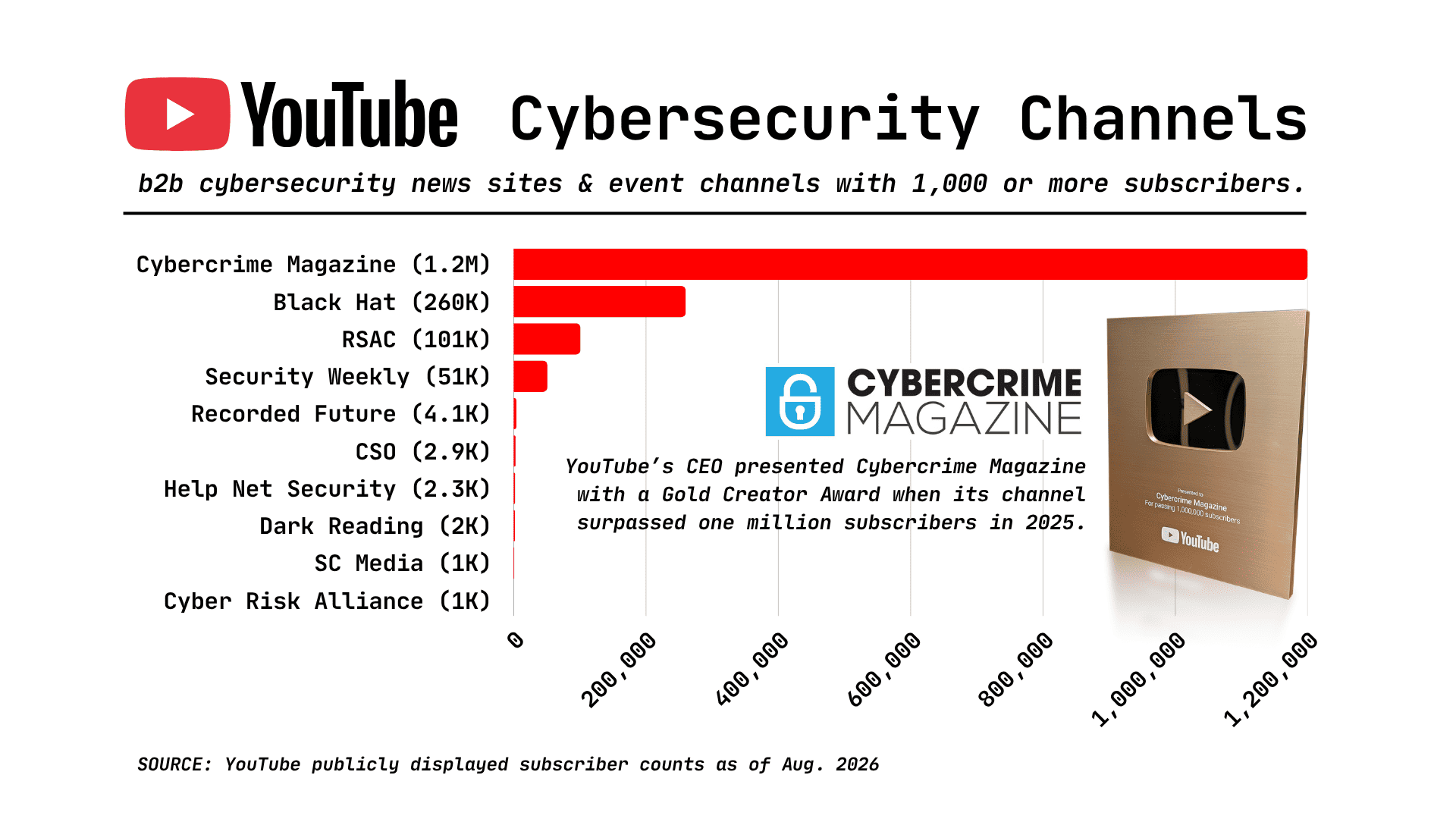
Out of the pure play cybersecurity b2b focused media outlets and event producers with YouTube channels listed by their number of subscribers (minimum of 1,000 subscribers), Cybercrime Magazine is far and away the top channel based on number of subscribers (1.2 million), and views per video.
The editors at Cybercrime Magazine compiled the list by searching on all cybersecurity focused media outlets (b2b media / news sites and event producers) that we are aware of, and then looking up their channel for the publicly displayed subscriber counts reported by YouTube.
Many media outlets do not have a YouTube channel, or they had one previously but no longer produce videos there, or they have less than 1,000 subscribers. Excluded from this list are solo / independent (non-company) video producers and channels that are focused mainly on consumers, training and education, and other non-corporate / business media.
Coming in at second is Black Hat with 260,000 subscribers, and RSAC is in third with 101,000 subscribers. Security Weekly has 51,000 subscribers, and Recorded Future has 4,100.
Visit the Cybercrime Magazine YouTube channel
Cybercrime Magazine is Page ONE for Cybersecurity. Go to any of our sections to read the latest:
- SCAM. The latest schemes, frauds, and social engineering attacks being launched on consumers globally.
- NEWS. Breaking coverage on cyberattacks and data breaches, and the most recent privacy and security stories.
- HACK. Another organization gets hacked every day. We tell you who, what, where, when, and why.
- VC. Cybersecurity venture capital deal flow with the latest investment activity from various sources around the world.
- M&A. Cybersecurity mergers and acquisitions including big tech, pure cyber, product vendors and professional services.
- BLOG. What’s happening at Cybercrime Magazine. Plus the stories that don’t make headlines (but maybe they should).
- PRESS. Cybersecurity industry news and press releases in real time from the editors at Business Wire.
- PODCAST. New episodes daily on the Cybercrime Magazine Podcast feature victims, law enforcement, vendors, and cybersecurity experts.
- RADIO. Tune into WCYB Digital Radio at Cybercrime.Radio, the first and only round-the-clock internet radio station devoted to cybersecurity.
Contact us to send story tips, feedback and suggestions, and for sponsorship opportunities and custom media productions.
The post Top 5 B2B Cybersecurity YouTube Channels In 2026 appeared first on Cybercrime Magazine.
¶¶¶¶¶
¶¶¶¶¶
¶¶¶¶¶
¶¶¶¶¶
¶¶¶¶¶
-
The U.S. Cybersecurity and Infrastructure Security Agency (CISA) has added a critical command injection vulnerability in Progress LoadMaster, tracked as CVE-2026-8037, to its Known Exploited Vulnerabilities (KEV) catalog after confirming evidence of active exploitation. This vulnerability allows unauthenticated attackers to execute arbitrary commands on vulnerable appliances, posing a significant risk to organizations that expose LoadMaster […]
The post CISA Flags Progress LoadMaster Command Injection Vulnerability Exploited in the Wild appeared first on GBHackers Security | #1 Globally Trusted Cyber Security News Platform.
¶¶¶¶¶
¶¶¶¶¶
¶¶¶¶¶
¶¶¶¶¶
¶¶¶¶¶
-
Three separate research efforts last week demonstrated ways to defeat passkey protections without breaking the cryptography they rest on. Passkeys are designed to replace reusable passwords and resist phishing. The attacks instead reused signed authentication material that Windows had exposed, abused a cloud-synced passkey system from malware already on the victim’s machine, and used a
¶¶¶¶¶
¶¶¶¶¶
¶¶¶¶¶
¶¶¶¶¶
¶¶¶¶¶
-
AI is helping development teams produce far more code, far faster. But security teams still have to review vulnerabilities, manage dependencies, prioritize fixes, and control risk at human speed. When software output jumps 10 to 50 times, the problem is no longer just finding vulnerabilities. It is keeping security from becoming the bottleneck, or worse, losing control of what gets shipped.
¶¶¶¶¶
¶¶¶¶¶
¶¶¶¶¶
¶¶¶¶¶
¶¶¶¶¶
-
The threat actor known as Head Mare has been observed weaponizing security flaws in unpatched TrueConf servers once again in attacks targeting Russian companies spanning instrumentation, electronics, transport, energy, IT, and software development sectors. Russian cybersecurity vendor Kaspersky said it detected the attacks in July 2026. The activity involves exploiting a vulnerability chain
¶¶¶¶¶
¶¶¶¶¶
¶¶¶¶¶
¶¶¶¶¶
¶¶¶¶¶
-
Play ransomware is using a familiar Windows-administration disguise to reduce suspicion during intrusions: a custom service binary named PSexesvc.exe. The group’s use of a custom service binary named PSexesvc.exe, mimicking Microsoft Sysinternals PsExec, illustrates how attackers can turn routine Windows administration into cover for lateral movement and payload execution. The binary has been observed alongside […]
The post Play Ransomware Masquerades as PsExec to Blend Into Legitimate Windows Administration appeared first on GBHackers Security | #1 Globally Trusted Cyber Security News Platform.
¶¶¶¶¶
¶¶¶¶¶
¶¶¶¶¶
¶¶¶¶¶
¶¶¶¶¶
-
GitHub has expanded its Dependabot malware alerts beyond npm, enabling the detection of malicious dependencies across various package ecosystems, including PyPI, Maven, RubyGems, NuGet, Go, crates.io, and PHP Composer. This rollout is supported by a new GitHub Advisory Database importer for OpenSSF’s malicious-packages repository, which enhances supply chain detection across these eight ecosystems. GitHub Expands […]
The post GitHub Expands Dependabot Malware Alerts to Detect Malicious Packages Across 8 Ecosystems appeared first on GBHackers Security | #1 Globally Trusted Cyber Security News Platform.
¶¶¶¶¶
¶¶¶¶¶
¶¶¶¶¶
¶¶¶¶¶
¶¶¶¶¶
-
Malicious “Solidity Pro” extensions are abusing the trust developers place in VS Code and Open VSX tooling, evolving from delayed payload droppers into broad credential and cryptocurrency-wallet stealers. Yeeth Security identified two publishers, helper-beeps and web3devtoolsx, distributing related solidity-pro packages that use Solidity-themed branding, obfuscation, and version churn to target web3 developers. The campaign reflects […]
The post Fake Solidity Pro Extensions Turn Trusted Developer Tooling Into Credential-Stealing Malware appeared first on GBHackers Security | #1 Globally Trusted Cyber Security News Platform.
¶¶¶¶¶
¶¶¶¶¶
¶¶¶¶¶
¶¶¶¶¶
¶¶¶¶¶
