• More than 60K defense civilians have left under Hegseth—but officials won’t discuss the effects. Nine months into the second Trump administration, the Defense Department has shed more than 60,000 employees, or about 7.6 percent of the department’s civilian workforce, comfortably reaching the 5- to 8-percent goal Secretary Pete Hegseth set in March, Defense One reported exclusively. 

    But officials declined to answer nearly every other question, leaving it hard to judge how the effort to cut payroll and redirect resources is going. Multiple officials refused to talk about various problems caused by the sweeping cuts and policy changes Hegseth ordered just weeks into his job. They also declined to comment on criticism by current and former employees who say the changes were ill-planned and have hurt productivity and morale among the country’s largest national-security workforce. Defense One’s Meghann Myers walks us through the various policy changes, and what we don’t know about their results, here.

    China, China, Chi—wait, what? Air Force mulls next steps amid homeland focus. After years in which the “pacing threat” drove decisions on everything from weapons to force structure, Air Force leaders are working out how to adjust to the Trump administration’s focus on hemispheric and homeland defense. 

    SecAF: We’re already there. “Homeland defense pretty much captures all threats,” Air Force Secretary Troy Meink told reporters Monday at the AFA conference outside Washington, D.C. “Pretty much covers everything in the systems that we need to do.”

    Experts and formers aren’t convinced. "All of the services, including the Air Force, are missing the clear strategic guidance needed to make essential prioritization decisions as they reach the end game of the budget process and try to chart an organizational path forward,” one former defense official said. Defense One’s Thomas Novelly has more, here.

    Why is Hegseth gathering almost all of America’s generals and admirals in one place on Tuesday? The Washington Post first reported the meeting Thursday. Many other outlets later confirmed the order, which instructs U.S. military officials from around the world to convene at Quantico, Va., on the last day of the fiscal year—and mere hours ahead of a potential government shutdown. The order says one-stars and up must attend, “within operational constraints,” and exempts flag officers in staff jobs.

    No one yet knows why so many top officials must convene at a single location when numerous secure alternatives exist. The online rumor mill is already active, and so are the jokes—e.g., from users on Reddit. American historian Tim Snyder offered up four possibilities for such a meeting, including a possible attempt to “stage a purge, perhaps involving a loyalty oath.” 

    “It's probably more mundane than people think,” one U.S. official told Reuters, and admitted, “the lack of clarity isn't helping.” 

    For what it’s worth: the SecDef hasn’t held a press conference in three months. And the last time he did, he berated reporters for having doubts about the impact of U.S. military strikes on Iran. 

    Hegseth and his press team “have held fewer than ten on-the-record briefings” compared to 34 during the first 100 days of President Biden’s tenure, according to The Hill and CBS News. 

    SecDef: “Transparency doesn't happen on its own, and this will be the most transparent administration ever,” Hegseth vowed in February on social media. 

    Related listening: “Without a press corps, who holds the Pentagon to account?” asks NPR’s new podcast Sources & Methods. Find that Thursday episode, here. 

    More after the jump…


    Welcome to this Friday edition of The D Brief, a newsletter dedicated to developments affecting the future of U.S. national security, brought to you by Ben Watson with Bradley Peniston. It’s more important than ever to stay informed, so thank you for reading. Share your tips and feedback here. And if you’re not already subscribed, you can do that here. On this day in 1983, nuclear war between the Soviet Union and the U.S. was narrowly averted thanks to the caution of Russian air force officer Stanislav Petrov. 

    Air Force’s AI ambitions require simplifying its network tangle. The service’s PEO for battle networks has teams working on ways to reduce “however many disparate systems are out there today into some rational number of end-to-end capabilities” within the next year. Defense One’s Lauren C. Williams reports from AFA, here.

    Trump’s intelligence chief has cancelled publication of a “global threats” report issued publicly every four years going back to 1997, the New York Times reported Friday—about a month after the associated office was quietly eliminated. “Past editions [of the report] warned of threats and shifts that came to pass, including climate change challenges, new immigration patterns and the risk of a pandemic.”

    But the report has now “become politically inconvenient” for the Trump administration, former officials told the Times, which noted, “like so much in the Trump administration, what was once considered apolitical is now labeled political.” Part of a pattern: “The Trump administration has dismantled a number of national security groups looking at long-term trends,” the Times notes. That includes the Pentagon’s Office of Net Assessment, “which had helped senior leaders think about the future of war, [but] was shut down in March.” More, here. 

    Additional reading: 

    Europe

    New: European nations have reportedly told Moscow they’re prepared to shoot down Russian jets entering their airspace, officials told Bloomberg Thursday following a meeting this week between Russian, British, French and German envoys. 

    Mapped: Axios illustrated the eastern European nations whose airspace has been confirmed or suspected to have been violated by Russian aircraft this calendar year. According to analysts at the Washington-based Institute for the Study of War, “Russia is deliberately gauging NATO’s capabilities and reactions to various air incursions.” 

    Kremlin reax: “I don’t even want to talk about this, because it’s a very irresponsible statement,” spokesman Dmitry Peskov reportedly said, according to state-run Tass news agency.

    The view from Copenhagen: “We are at the beginning of a hybrid war against Europe,” Danish Prime Minister Mette Frederiksen said in a national address Thursday. “There is primarily one country that poses a threat to Europe's security, and that is Russia,” she said. 

    “This means that the defense and police will be more present with anti-drone capabilities around critical infrastructure in the coming time,” Frederiksen promised. 

    “That is why we are expanding the European defense industry, and that is why we are building up the defense industry in Denmark,” the prime minister said, and stressed, “The events of recent days emphasize how important this is.”

    For your ears only: Get a better handle on the European Union’s ambitious new goals for its defense industrial base and how U.S. companies could play a role following our podcast discussion Thursday with EU Ambassador to the U.S., Jovita Neliupšienė. She reviewed the EU’s “Readiness 2030” defense plans, and shared a few details from her own history growing up in Lithuania under the Soviet Union. Find that episode on Spotify or wherever you get your podcasts. 

    Related reading: 

    Revealed: Russia is training the Chinese military to air-drop armoured vehicles in preparation to seize Taiwan, Oleksandr Danylyuk and Jack Watling wrote Friday in a new report for the London-based Royal United Services Institute. 

    “​​According to contracts and correspondence obtained by the Black Moon hacktivist group, Russia agreed in 2023 to supply the PLA with a complete set of weapons and equipment to equip an airborne battalion, as well as other special equipment necessary for airborne infiltration of special forces, along with a full cycle of training for operators and technical personnel to use this equipment,” Danylyuk and Watling write. 

    Why it matters: Beaches in Taiwan that are “suitable for landing are limited, known, and dispersed. The runways and ports on the island could be invaluable for reinforcing the lodgement but denying these facilities would likely be a priority task for Taiwanese forces.” But “The capacity to airdrop armour vehicles on golf courses, or other areas of open and firm ground near Taiwan’s ports and airfields, would allow air assault troops to significantly increase their combat power and threaten seizure of these facilities to clear a path for the landing of follow-on forces.” 

    Also: “[A]n attempt to seize Taiwan would likely see fighting erupt throughout the South China Sea, creating a requirement for the PLA to project combat power further afield,” the authors warn. “In the initial phases of war air manoeuvre could allow the PLA to move airborne forces with organic firepower and mobility to critical terrain beyond Taiwan.” Read the rest of the report, here. 

    Middle East

    Most officials and diplomats at the UN General Assembly walked out when Israeli Prime Minister Benjamin Netanyahu took the podium Friday in New York. The walk-out reflected Israel’s growing isolation from the global community as it continues pressing its war on Gaza, which has reportedly killed more than 65,000 people and caused more than 200,000 casualties for Palestinians in the area, according to the Gaza Health Ministry and a former Israeli military commander. 

    Related reading: 

    ]]>

    ¶¶¶¶¶

    ¶¶¶¶¶

    ¶¶¶¶¶

    ¶¶¶¶¶

    ¶¶¶¶¶

  • ¶¶¶¶¶

    ¶¶¶¶¶

    ¶¶¶¶¶

    ¶¶¶¶¶

    ¶¶¶¶¶

  • GitLab has disclosed multiple high-severity Denial-of-Service (DoS) vulnerabilities that could allow unauthenticated attackers to crash self-managed GitLab instances. 

    These flaws impact Community Edition (CE) and Enterprise Edition (EE) versions prior to 18.4.1, 18.3.3, and 18.2.7, and exploit both HTTP endpoints and GraphQL APIs. 

    Administrators must upgrade immediately to prevent service interruptions and potential data loss.

    High-Severity DoS Vulnerability

    Two of the most severe issues, CVE-2025-10858 and CVE-2025-8014, carry a CVSS score of 7.5 and permit unauthenticated Denial-of-Service via malformed JSON payloads and by bypassing GraphQL query complexity limits. 

    In CVE-2025-10858, attackers can send a specifically crafted JSON file to endpoints like /api/v4/projects/:id/uploads to exhaust CPU and memory, rendering the Rails web server unresponsive. 

    The vulnerability may cause unintended harm to co-hosted services in multi-tenant systems and does not require authentication.

    Similarly, CVE-2025-8014 leverages unbounded GraphQL queries; by constructing deeply nested or overly complex queries against /api/graphql, an attacker can exceed internal query cost thresholds, triggering a crash loop in the unicorn worker pool.

    The flaw also affects self-managed GitLab instances and internal graphs, potentially disrupting CI/CD pipelines.

    Additional medium-severity issues, including CVE-2025-9958 (CVSS 6.8) and CVE-2025-7691 (CVSS 6.5), allow information disclosure and privilege escalation. 

    CVE-2025-9958 exposes virtual registry configurations to low-privileged users via the /api/v4/registry/repositories/:id endpoint, potentially leaking registry tokens. 

    CVE-2025-7691 enables developers with group-management permissions to elevate privileges through crafted API calls to /api/v4/groups/:group_id/members, bypassing role checks in the EE backend.

    Several additional DoS vectors in GraphQL unbounded array parameters, blobSearch, and string conversion methods carry lower CVSS ratings but still risk degraded performance. 

    The GraphQL resolver for blobSearch could enter an infinite loop on specially crafted queries, while recursive string conversion in GitLab’s Ruby middleware can exhaust Ruby VM resources.

    CVETitleCVSS 3.1 ScoreSeverity
    CVE-2025-10858Denial of Service via crafted JSON uploads7.5 High
    CVE-2025-8014Denial of Service bypassing query complexity limits7.5 High
    CVE-2025-9958Information disclosure in virtual registry configuration6.8 Medium
    CVE-2025-7691Privilege Escalation from within the Developer role6.5 Medium
    CVE-2025-10871Improper authorization for Project Maintainers when assigning roles3.8 Low
    CVE-2025-10867Denial of Service in GraphQL API blobSearch3.5 Low
    CVE-2025-5069Incorrect ownership assignment via Move Issue drop-down3.5 Low
    CVE-2025-10868Denial of Service via string conversion methods3.5 Low

    Patched Versions

    Today’s patch release updates GitLab CE and EE to versions 18.4.1, 18.3.3, and 18.2.7, incorporating critical bug and security fixes. 

    GitLab Dedicated customers are already on the patched versions; self-managed installations should upgrade without delay. 

    No new database migrations are required, and multi-node deployments can apply the patch with zero downtime by leveraging the /etc/gitlab/skip-auto-reconfigure flag.

    The release also bundles a PostgreSQL upgrade to version 16.10, addressing CVE-2025-8713, CVE-2025-8714, and CVE-2025-8715. 

    Bug backports in 18.4.1 include fixes for project forking, scanner suggestion errors, and performance optimizations in the HandleMalformedStrings middleware.

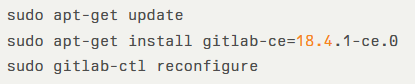
    To upgrade, follow the official Update guide or use the Omnibus packages:

    GitLab High-Severity Vulnerabilities

    Maintainers should ensure the timely application of these patches to maintain the integrity and availability of your GitLab instance.

    Follow us on Google News, LinkedIn, and X for daily cybersecurity updates. Contact us to feature your stories.

    The post GitLab High-Severity Vulnerabilities Let Attackers Crash Instances appeared first on Cyber Security News.

    ¶¶¶¶¶

    ¶¶¶¶¶

    ¶¶¶¶¶

    ¶¶¶¶¶

    ¶¶¶¶¶

  • A critical, perfect 10.0 CVSS score vulnerability in Fortra’s GoAnywhere Managed File Transfer (MFT) solution was actively exploited as a zero-day at least a week before the company released a patch.

    The vulnerability, tracked as CVE-2025-10035, is a command injection flaw that allows for unauthenticated remote code execution. Security firm watchTowr reported credible evidence of in-the-wild exploitation dating back to September 10, 2025, eight days before Fortra’s public advisory on September 18.

    Fortra initially described the vulnerability as a deserialization issue in the GoAnywhere MFT License Servlet. According to the vendor’s advisory, an attacker with a “validly forged license response signature” could deserialize a crafted object, leading to command injection.

    However, Fortra’s initial announcement on September 18 made no mention of active exploitation, despite including Indicators of Compromise (IoCs), a move that researchers found unusual. The company stated the issue was found during an internal security check on September 11.

    Vulnerability Exploited as 0-Day

    Security researchers have provided a more detailed picture of the flaw and its exploitation timeline.

    Research from Rapid7 indicates that CVE-2025-10035 is not a single bug but a chain of three separate issues: an access control bypass known since 2023, the new unsafe deserialization flaw, and an unknown issue that allows attackers to know a specific private key needed for the exploit.

    Threat actors exploited the pre-authentication deserialization vulnerability to achieve Remote Code Execution (RCE).

    With this access, they created a backdoor administrator account named admin-go and then used it to create a “legitimate” web user account to access the MFT service. Through this web user, the attackers uploaded and executed multiple secondary payloads.

    According to watchTowr Labs, the exploitation started on September 10, predating the patch release on September 15 and the public advisory on September 18, confirming its status as a zero-day vulnerability.

    The disclosure has drawn criticism, as Fortra is a signatory of the Secure By Design pledge, which commits to transparency about in-the-wild exploitation. By not initially disclosing the active attacks, security teams were left to assess risk without a full understanding of the threat timeline.

    Indicators of Compromise (IoCs)

    Evidence of the in-the-wild attacks includes several key indicators:

    • Backdoor Account: A local account named admin-go was created on compromised systems.
    • Malicious Files: Payloads such as C:\Windows\zato_be.exe and C:\Windows\jwunst.exe (a SimpleHelp binary) were observed.
    • Attacker IP: The IP address 155.2.190.197 was linked to the threat actor.
    • Commands Executed: The command whoami /groups was run, with its output saved to C:\Windows\test.txt.

    Fortra has released GoAnywhere MFT version 7.8.4 and Sustain version 7.6.3 to address the vulnerability.

    Given the history of GoAnywhere MFT being targeted by ransomware groups, organizations are urged to patch immediately and ensure their admin consoles are not exposed to the public internet.

    Follow us on Google News, LinkedIn, and X for daily cybersecurity updates. Contact us to feature your stories.

    The post Fortra GoAnywhere Vulnerability Exploited as 0-Day Before Patch appeared first on Cyber Security News.

    ¶¶¶¶¶

    ¶¶¶¶¶

    ¶¶¶¶¶

    ¶¶¶¶¶

    ¶¶¶¶¶

  • The macOS threat landscape has witnessed a significant escalation with the discovery of a new variant of the XCSSET malware targeting app developers.

    First observed in late September 2025, this variant builds upon earlier versions by introducing enhanced stealth techniques, expanded exfiltration capabilities, and robust persistence mechanisms.

    Attackers continue to leverage infected Xcode projects—the cornerstone of macOS and iOS development—as the primary infection vector.

    Developers who clone or download tainted project repositories inadvertently trigger a multi-stage infection chain that unfolds each time an Xcode build is initiated.

    Microsoft analysts noted that this variant was identified during routine telemetry analysis of Xcode build processes, revealing that malicious scripts are injected into project files and executed via AppleScript and shell commands.

    The campaign remains relatively targeted, affecting only a small number of high-value development environments thus far.

    Nonetheless, the sophistication of its modules—including clipboard hijacking, browser data theft, and LaunchDaemon-based persistence—underscores a growing trend of supply-chain exploitation in software development.

    Upon build execution, the malware follows a four-stage chain consistent with earlier variants, but now adds a fourth stage that dynamically downloads and runs new submodules from a command-and-control (C2) server.

    These submodules are fetched and executed using a modified boot function that includes additional checks for Firefox installations and Telegram binaries, enabling broader browser targeting and messaging-app reconnaissance.

    Its expanded info-stealer module even exfiltrates data from Firefox profiles, complementing prior Chrome and Safari theft capabilities.

    boot() function of the latest version (Source – Microsoft)

    In this iteration, encrypted payloads and compiled run-only AppleScripts are employed to obfuscate functionality and evade static analysis.

    The decryption routine (dec) is implemented in AppleScript and uses a hardcoded AES key and initialization vector extracted from the first 32 bytes of the encrypted blob.

    After Base64 decoding, the script invokes the AES decryption primitive to retrieve a configuration file for further payload execution.

    Disassembled code of the dec() function (Source – Microsoft)
    on dec(in)
        set iv to text 1 thru 32 of in
        set encryptedData to (do shell script "echo \"" & (text 33 thru -1 of in) & "\" | base64 --decode")
        set key to "27860c1670a8d2f3de7bbc74cd754121"
        set decryptedBlob to do shell script "openssl aes-256-cbc -d -K " & key & " -iv " & iv & " <<< " & quoted form of encryptedData
        return decryptedBlob
    end dec

    Infection Mechanism

    The infection chain begins when a developer opens or builds a compromised Xcode project. A malicious Run Script Phase injects a shell command that downloads the fourth-stage AppleScript binary from C2.

    This script first validates the environment by enumerating installed browsers and messaging apps, then fetches additional modules tailored for data theft and persistence.

    Clipboard monitors intercept cryptocurrency addresses copied by users, substituting them with attacker-controlled addresses if predefined regex patterns match.

    Meanwhile, the LaunchDaemon submodule writes a fake com.google.System Settings.app bundle into the tmp directory, loading a persistent .root payload at system launch.

    By masquerading as a legitimate system component, XCSSET maintains execution across reboots and evades casual inspection.

    This new XCSSET variant represents a leap forward in macOS supply-chain attacks against developers.

    Its fusion of encrypted AppleScripts, dynamic module loading, and OS-level persistence poses a substantial threat to software integrity.

    Developers are urged to verify the authenticity of Xcode project sources, monitor unexpected network requests during builds, and deploy endpoint protection solutions capable of detecting anomalous osascript executions and hidden LaunchDaemon entries.

    Continuous vigilance and timely software updates remain the most effective defenses against evolving threats such as XCSSET.

    Follow us on Google News, LinkedIn, and X to Get More Instant Updates, Set CSN as a Preferred Source in Google.

    The post New Variant of The XCSSET Malware Attacking macOS App Developers appeared first on Cyber Security News.

    ¶¶¶¶¶

    ¶¶¶¶¶

    ¶¶¶¶¶

    ¶¶¶¶¶

    ¶¶¶¶¶

  • Enterprises everywhere are embracing MCP servers—tools that grant AI assistants “god-mode” permissions to send emails, run database queries, and automate tedious tasks. But no one ever stopped to ask: Who built these tools? Today, the first real-world malicious MCP server—postmark-mcp—has emerged, quietly exfiltrating every email it processes. Since its initial release, postmark-mcp has been downloaded […]

    The post Malicious MCP Server Discovered Stealing Sensitive Emails Using AI Agents appeared first on GBHackers Security | #1 Globally Trusted Cyber Security News Platform.

    ¶¶¶¶¶

    ¶¶¶¶¶

    ¶¶¶¶¶

    ¶¶¶¶¶

    ¶¶¶¶¶

  • The Russian advanced persistent threat (APT) group known as COLDRIVER has been attributed to a fresh round of ClickFix-style attacks designed to deliver two new “lightweight” malware families tracked as BAITSWITCH and SIMPLEFIX. Zscaler ThreatLabz, which detected the new multi-stage ClickFix campaign earlier this month, described BAITSWITCH as a downloader that ultimately drops SIMPLEFIX, a

    ¶¶¶¶¶

    ¶¶¶¶¶

    ¶¶¶¶¶

    ¶¶¶¶¶

    ¶¶¶¶¶

  • Apache Airflow maintainers have disclosed a serious security issue, tracked as CVE-2025-54831, that allows users holding only read permissions to view sensitive connection details via both the Airflow API and web interface. The vulnerability, present in Airflow version 3.0.3, undermines the platform’s intended “write-only” treatment of secrets in Connections and could lead to unauthorized exposure […]

    The post Apache Airflow Vulnerability Lets Read-Only Users Access Sensitive Data appeared first on GBHackers Security | #1 Globally Trusted Cyber Security News Platform.

    ¶¶¶¶¶

    ¶¶¶¶¶

    ¶¶¶¶¶

    ¶¶¶¶¶

    ¶¶¶¶¶

  • The first-ever malicious Model-Context-Prompt (MCP) server discovered in the wild, a trojanized npm package named postmark-mcp that has been secretly exfiltrating sensitive data from users’ emails.

    The package, downloaded approximately 1,500 times per week, contained a backdoor that copied every email processed by the tool to a server controlled by the attacker. This incident highlights a significant and emerging threat in the AI-powered software supply chain.

    npm package Downloads
    npm package Downloads

    According to security firm Koi analysis postmark-mcp package was designed as an MCP server to integrate with the Postmark email service, allowing AI assistants to automate email-sending tasks.

    For its first 15 versions, the tool functioned as expected, building a foundation of trust within the developer community and becoming integrated into hundreds of workflows.

    However, starting with version 1.0.16, a single line of malicious code was added. This code silently added a Bcc field to every outgoing email, sending a copy to phan@giftshop.club.

    The compromised data included everything from password resets and invoices to confidential internal communications.

    The developer behind the package appeared to be a legitimate software engineer from Paris with an established GitHub profile, a tactic that likely helped the malicious package evade suspicion.

    The attack was a classic case of impersonation; the developer copied the code from a legitimate GitHub repository officially maintained by Postmark (ActiveCampaign), injected the backdoor, and published it to the npm registry under the same name.

    Malicious MCP Server Stealing Data
    Malicious MCP Server Stealing Data

    Koi reported that its risk engine flagged the package after detecting suspicious behavior changes in version 1.0.16. The simplicity of the attack is what makes it particularly alarming.

    The developer did not exploit a zero-day vulnerability or use a complex hacking technique; they abused the trust inherent in the open-source ecosystem.

    First Malicious MCP Server Found

    This incident exposes a critical vulnerability in the architecture of AI agent tools. MCP servers are granted high-level permissions to operate autonomously, often with full access to emails, databases, and APIs.

    Unlike traditional software, these tools are used by AI assistants that execute tasks without human review. The AI has no way of detecting that an email is being secretly copied, as it only verifies that the primary task of sending the email was completed successfully.

    This creates a major security blind spot for organizations. MCP servers often operate outside of established security perimeters, bypassing Data Loss Prevention (DLP) systems, vendor risk assessments, and email gateways.

    The estimated impact is significant, with calculations suggesting that between 3,000 and 15,000 emails could have been exfiltrated daily from around 300 organizations.

    Malicious MCP Server Analysis
    Malicious MCP Server Analysis

    After being contacted, the developer deleted the package from npm. However, this action does not remove the compromised package from systems where it is already installed. Any user with version 1.0.16 or later of postmark-mcp remains vulnerable.

    Indicators of Compromise (IOCs) and Mitigation

    • Package: postmark-mcp (npm)
    • Malicious Version: 1.0.16 and later
    • Backdoor Email: phan@giftshop[.]club
    • Domain: giftshop[.]club

    Users of postmark-mcp are urged to immediately uninstall the package and rotate any credentials or sensitive information that may have been transmitted via email.

    This attack serves as a stark warning about the risks associated with the rapidly growing MCP ecosystem, emphasizing the need for robust verification and continuous monitoring of all third-party tools used by AI agents.

    Follow us on Google News, LinkedIn, and X for daily cybersecurity updates. Contact us to feature your stories.

    The post First-Ever Malicious MCP Server Found in the Wild Steals Emails via AI Agents appeared first on Cyber Security News.

    ¶¶¶¶¶

    ¶¶¶¶¶

    ¶¶¶¶¶

    ¶¶¶¶¶

    ¶¶¶¶¶

  • The U.S. Department of Defense should have one key priority: getting weapons to warfighters fast and staying ahead of adversaries, especially China. Call the Pentagon whatever you like; our troops will call it late if the gear shows up after the conflict. What matters is collapsing the time it takes to field new capabilities, not rebranding the letterhead.

    President Trump has already shown a willingness to confront the Pentagon’s bureaucracy. His team deserves credit for pushing real acquisition reforms, including eliminating the outdated JCIDS process and beginning to strip out acquisition  bottlenecks that add months or years to timelines. These moves are not just housekeeping—they are essential to delivering capability at the speed of modern warfare.

    He also demonstrated vision by creating the U.S. Space Force, the first new military service in more than 75 years. With the growing threat from anti-satellite weapons and the increasing militarization of space, this was the right move to ensure America can fight and win in a contested domain. It showed foresight about the future of warfare.

    But the harder question now is whether Trump can drive defense reforms to completion—and make them stick. Administrations of both parties have admitted for decades that the system is broken. Trump could be the first to translate recognition into sustained results.

    The fastest forcing function in government is presidential attention. When a president cares about an issue and invests political capital in it, bureaucracies move. When that attention drifts, so does momentum. If Trump wants defense reform to be a lasting part of his legacy, he must put his personal authority behind it—not once, but continuously.

    That means more than one-off speeches or occasional reviews. It means setting up processes that keep the pressure on, month after month, and holding people accountable for progress. Without this sustained involvement, even the best reforms risk being buried by inertia.

    Here are some near-term steps that Trump can take:

    • Hold monthly “Speed-to-Field” sessions at the White House with the President. Each session should ask: What has been delivered to the warfighter? What is stuck? Who is responsible for clearing the roadblocks? Program managers, service chiefs, and industry leaders should be held publicly accountable.

    • Appoint a White House Coordinator for Defense Reform. A trusted “defense czar” with deep knowledge of defense technology and acquisition can ensure presidential directives are carried out, not stalled by layers of bureaucracy.

    • Set strict timelines. Require high-priority programs to deliver a minimum viable capability within 12 months. Perfection can come later; the point is to get something useful into the field quickly and improve it over time.

    • Streamline and simplify. Collapse duplicative reviews, consolidate low-value reports, and eliminate paperwork that cannot be certified as mission-critical by a Senate-confirmed official. Less paperwork means more progress.

    • Reward outcomes, not process. Promotion and recognition should go to leaders who deliver systems quickly, not those who avoid all risk or perfect briefing slides. The measure that matters is capability in the hands of warfighters.

    This is about more than checklists. It’s about culture. For the past 30 years, the Department of Defense has grown increasingly risk-averse. Leaders fear that even small failures will bring congressional investigations, IG audits, or career setbacks. As a result, officials spend more time avoiding blame than pursuing bold solutions.

    But the Pentagon is not solely to blame. Congress plays a central role in this dysfunction. Over time, lawmakers have layered statute upon statute, report upon report, and requirement upon requirement—often for good reasons, like oversight and accountability. Yet the cumulative effect has been paralysis. Endless reporting consumes thousands of staff hours that could be spent delivering capability. Budget rules that rigidly divide money into narrow “colors” of money—research, procurement, operations—force needless delays and reprogramming. Turf battles between committees make it even harder to streamline.

    Trump should direct the chairman of the Joint Chiefs to compile a list of the most burdensome laws, reports, and regulations that should be eliminated. Then he should use his political leverage to push Congress to act. This is not about weakening oversight. It is about clearing away the underbrush of bureaucracy that suffocates speed.

    History shows that the United States can move with speed when it chooses. The Polaris ballistic missile system was designed, developed, and deployed in just five years in the late 1950s and early 1960s. By contrast, many of today’s programs take more than a decade. What changed?

    Marc Dunkelman, in his book Why Nothing Works: Who Killed Progress and How to Bring It Back, makes the case that excessive layers of regulation, oversight, and risk aversion have strangled America’s ability to deliver. John Hyten, a former Joint Chiefs vice chairman, has also spokenpowerfully about how these burdens cripple the Pentagon’s ability to field capabilities quickly. Both are right. The culture of delay is not inevitable—it is a choice. And choices can be changed.

    Acquisition reform is necessary, but it is not sufficient. America’s military-technical edge rests on two other pillars: immigration and the federal–university research partnership.

    As I have argued in Defense One and Defense News, America’s ability to attract global talent is one of its greatest advantages over China. Cutting legal immigration or restricting the ability of top scientists and engineers to work in the United States would be self-defeating. Similarly, our unparalleled university system has incubated countless breakthroughs in defense-related technology, from stealth to semiconductors.

    If we allow funding for federal research to decline, or if we sever ties between universities and government research programs, we will be handing China a long-term advantage. Trump should not just reform acquisition; he should double down on these partnerships that keep America at the cutting edge.

    During my time in government, I saw the cost of bureaucracy up close. Teams were often overwhelmed producing reports no one read while urgent missions waited. The lesson is clear: when leaders put speed at the center—and back it with authority—capability moves. When they don’t, it doesn’t.

    Trump has a chance to make defense reform a defining legacy. But success will require sustained focus, not symbolic gestures. It will require cutting through paperwork, empowering risk-takers, and holding leaders accountable for results.

    If America wants to stay ahead of adversaries like China, we must out-build, out-code, and out-ship them. That means setting the right measure—time to first unit equipped—and relentlessly driving it down. Publish cycle-time dashboards. Celebrate the programs that beat the clock. Cancel the ones that don’t.

    Trump can make defense reform work. But only if he keeps his focus on the right issue: speeding the delivery of weapons to the warfighter, fixing the congressional–Pentagon bottlenecks that slow the system, and sustaining the innovation ecosystem that underpins U.S. strength.

    Renaming a department won’t achieve that. Leadership, persistence, and the courage to break bureaucratic habits will. That is the real test of whether Trump can translate political power into military capability—and whether America will stay ahead of its adversaries in the decades to come.

    ]]>

    ¶¶¶¶¶

    ¶¶¶¶¶

    ¶¶¶¶¶

    ¶¶¶¶¶

    ¶¶¶¶¶